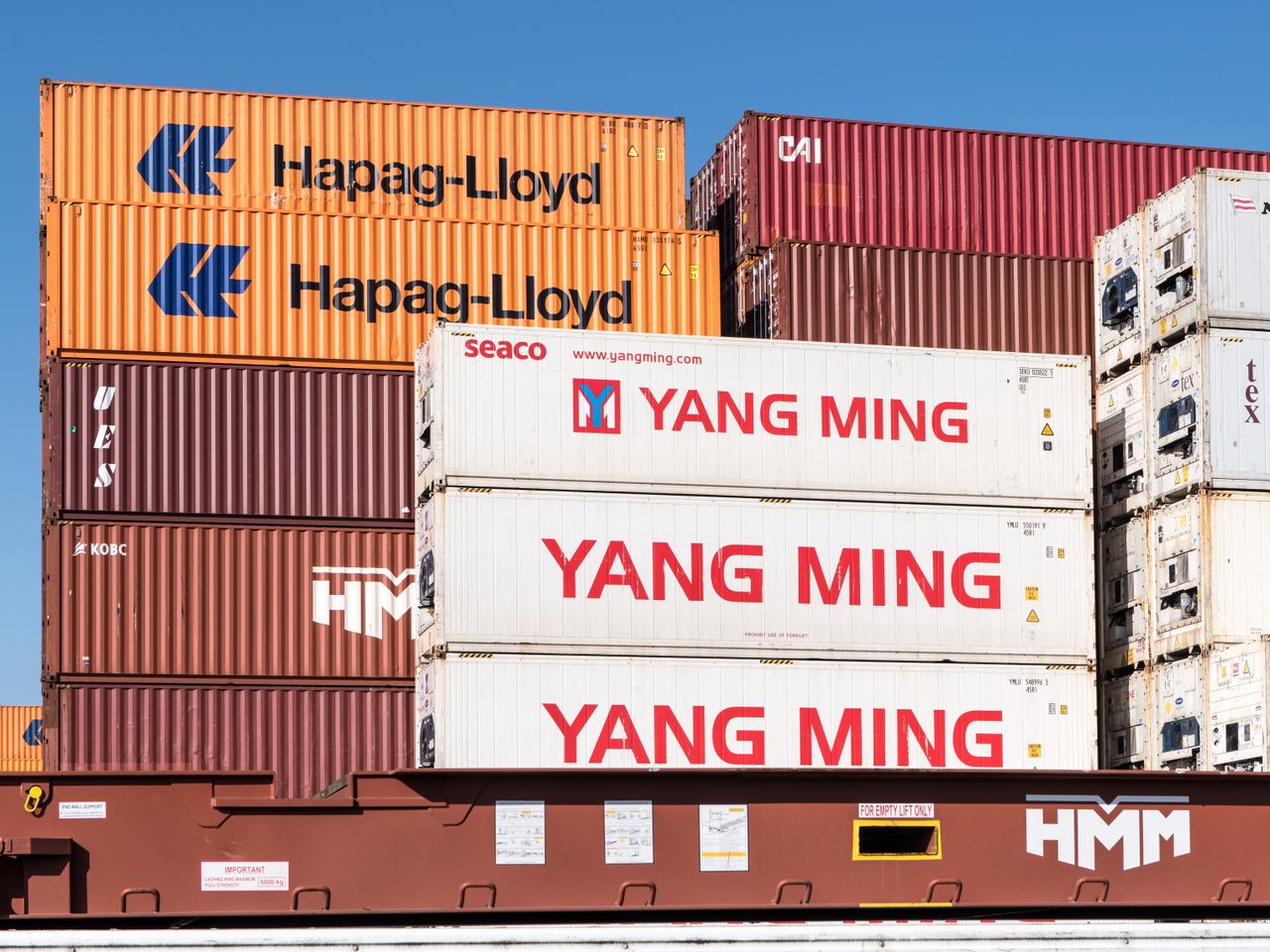
Drayage is the short-distance movement of shipping containers between a port, rail yard, warehouse, or nearby delivery point. For Port of Vancouver imports, it helps move goods from the ship to their next stop across Vancouver, Canada, including Richmond, BC, Delta, BC, Burnaby, and Surrey. Good drayage helps importers avoid delays, control costs, and keep freight moving.
In 2025, the Port of Vancouver moved a record 170.4 million metric tons of cargo, up almost 8% from the year before. Despite these results, the port ranked 389th out of 403 ports in the 2024 Container Port Performance Index. This shows why careful planning matters when containers enter Canada through Vancouver.
Delays at the port can lead to extra storage fees, missed delivery times, and higher costs. Importers need to understand how drayage moves containers from the port to their next stop. Working with experienced specialists can help Vancouver importers avoid problems and protect their bottom line.
What Does Drayage Mean?
Think of drayage as the bridge between the port and your next destination. A ship brings the container into the Port of Vancouver, and a drayage truck moves it a short distance. The truck may take it to a warehouse in Vancouver, Richmond, Delta, Burnaby, or Surrey, or move it to rail for a longer inland journey.
Even though the move is short, it can have a big impact on the overall shipment. Delays or containers sitting too long can increase costs and push delivery plans behind schedule.
How Do You Calculate Drayage Costs?
Drayage costs depend on the:
- Route
- Container size
- Weight
- Fuel
- Tolls
- Handling
Extra fees may apply for delays, storage, or additional trips. So remember to request a clear quote upfront, including all potential charges.
Why Drayage Matters for Vancouver Importers
Drayage connects ocean freight, terminals, warehouses, and final delivery.
For Vancouver importers, Vancouver terminal logistics can become difficult when many containers arrive at once. Good planning helps protect delivery dates and keeps inventory moving.
How Port Congestion Impacts Your Supply Chain
Port congestion occurs when ships, containers, trucks, trains, or terminal space become overloaded, causing delays across the supply chain. Luckily, the Port of Vancouver provides data tools to:
- Monitor activity
- Plan ahead
- Make faster decisions
For importers, this information can help manage container freight. A team can watch for changes, adjust pickup plans, and prepare for busy periods.
The Role of Drayage in Keeping Imports Moving
Drayage providers coordinate the right truck, driver, terminal time, and delivery plan to keep imports moving smoothly. Key actions include:
- Book the right pickup time
- Check that the container is ready
- Move the container to the planned location
- Return equipment on time
When a problem appears, a skilled team can act before a small issue becomes a larger delay. This is where intermodal shipping strategies can help importers connect:
- Trucks
- Rail
- Warehouses
- Final delivery
Common Challenges at Vancouver’s Western Ports
Vancouver-area ports face challenges from:
- Truck traffic
- Rail
- Terminal space
- Weather
- Labor
- Roads
As such, Canada needs more investment, technology, and cooperation to improve transportation. These improvements are vital because the West Coast connects Canada to key Asia-Pacific markets.
Importers cannot control every port problem. They can, however, plan for risk and work with providers that know local routes and terminal rules. This is an important part of overcoming port delays.
Choosing the Right Drayage Partner
Choosing the right drayage partner makes container imports easier. For shipments from the Port of Vancouver to Vancouver, Richmond, Delta, Burnaby, or Surrey, local knowledge is important. A good provider should communicate clearly and connect pickup, delivery, warehouse, and freight needs.
What to Look for in a Vancouver Drayage Provider
Choose a drayage provider with local terminal knowledge and reliable end-to-end support. These points can guide your drayage carrier selection:
- Experience with Vancouver-area terminals
- Clear pricing and extra-charge rules
- Reliable pickup and delivery planning
- Fast updates when problems occur
Price should not be the only factor when choosing a provider. So look for a partner that supports your wider freight plan and keeps shipments on schedule.
How Drayage Specialists Help Reduce Import Risks
Drayage teams help reduce import risks by planning:
- Pickups
- Truck moves
- Tracking
- Schedule changes
If a container is delayed, they can act quickly to keep it moving. Clear updates help teams solve problems and keep deliveries, warehouses, and customer service running smoothly.

Frequently Asked Questions
Can Drayage Be Used With Rail Freight?
Yes. A container can move by truck from the port to a rail yard. Rail can then carry it much farther inland. This is useful when the final destination is outside the Vancouver area.
What Is A Chassis In Drayage?
A chassis is the frame that supports a shipping container during transport by truck. The right chassis must be available for the container to move.
Who Releases An Imported Container?
Several parties may be involved, including the shipping line, terminal, customs broker, and importer. The exact steps depend on the shipment and its paperwork.
Why Does Container Weight Matter?
Weight affects which truck and equipment can safely move a container. It can also affect road rules and freight planning.
Can Drayage Support Temperature-Sensitive Goods?
It can, when the shipment needs the right equipment and handling plan. Importers should share temperature needs before the container arrives so the move can be planned correctly.
What Happens If An Import Container Cannot Be Picked Up?
The container may remain at the terminal until it can be collected. This can create added charges or affect later delivery plans. Early communication gives the logistics team more choices.
Keep Your Imports Moving With Port of Vancouver Drayage
For importers, the short truck move after a ship arrives can significantly impact the entire supply chain. Reliable drayage helps connect Port of Vancouver imports with warehouses and customers across Vancouver, Canada, Richmond, BC, and Delta, BC. It also gives logistics teams a better way to manage delays, costs, and changing delivery plans.
For logistics teams, the right freight partner can make shipping easier to manage from the port to the warehouse and final delivery. Canada3PL helps importers, distributors, and manufacturers across Canada with port drayage, container handling, warehousing, and freight delivery. Contact Canada3PL to learn more and request a quote.