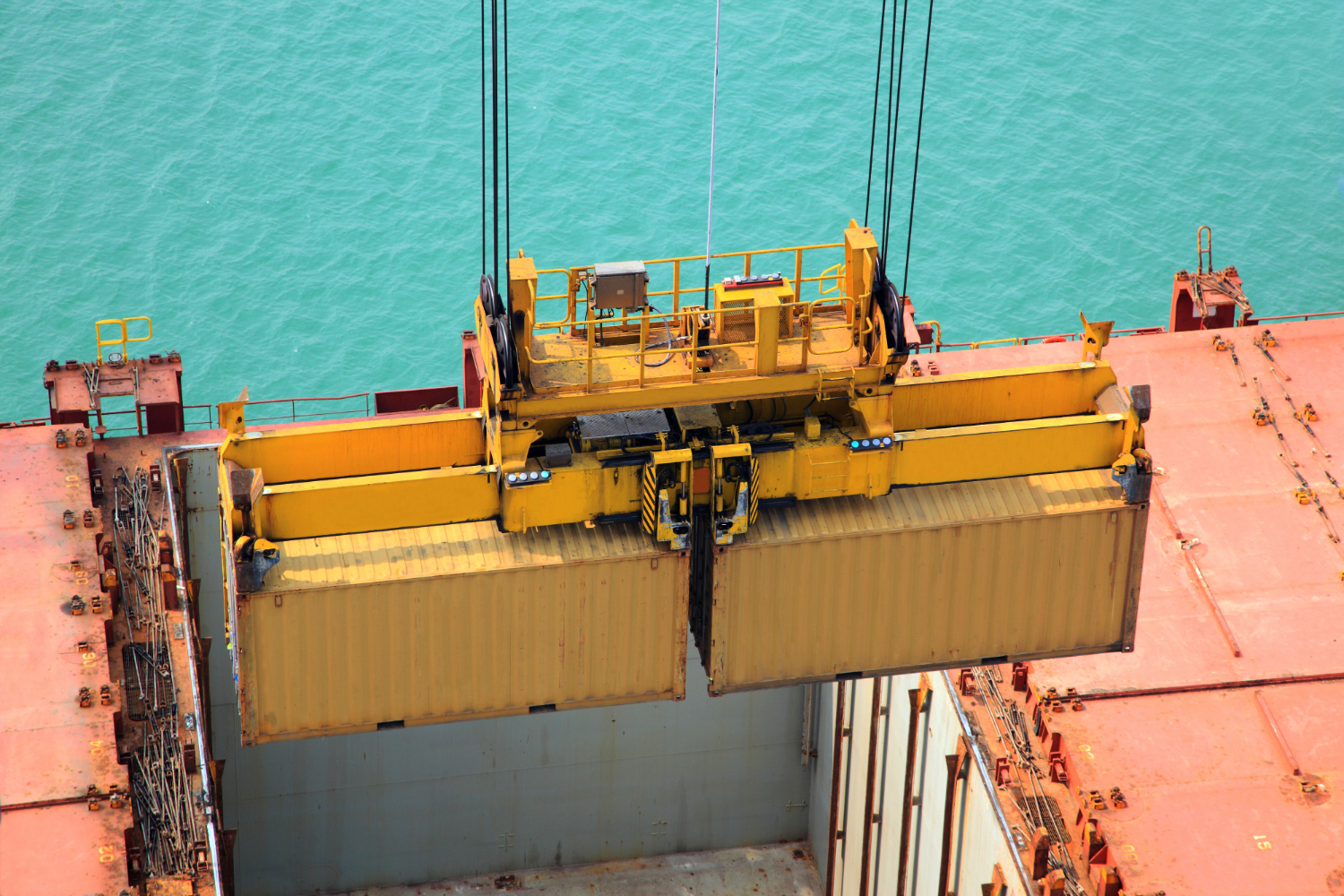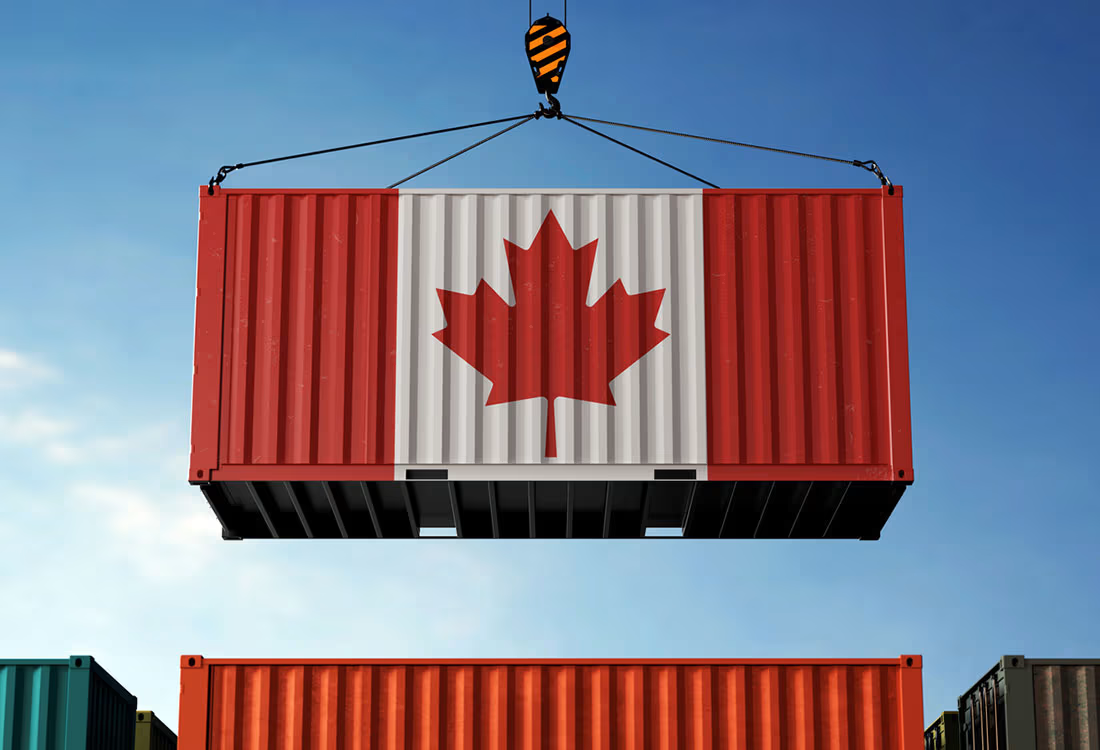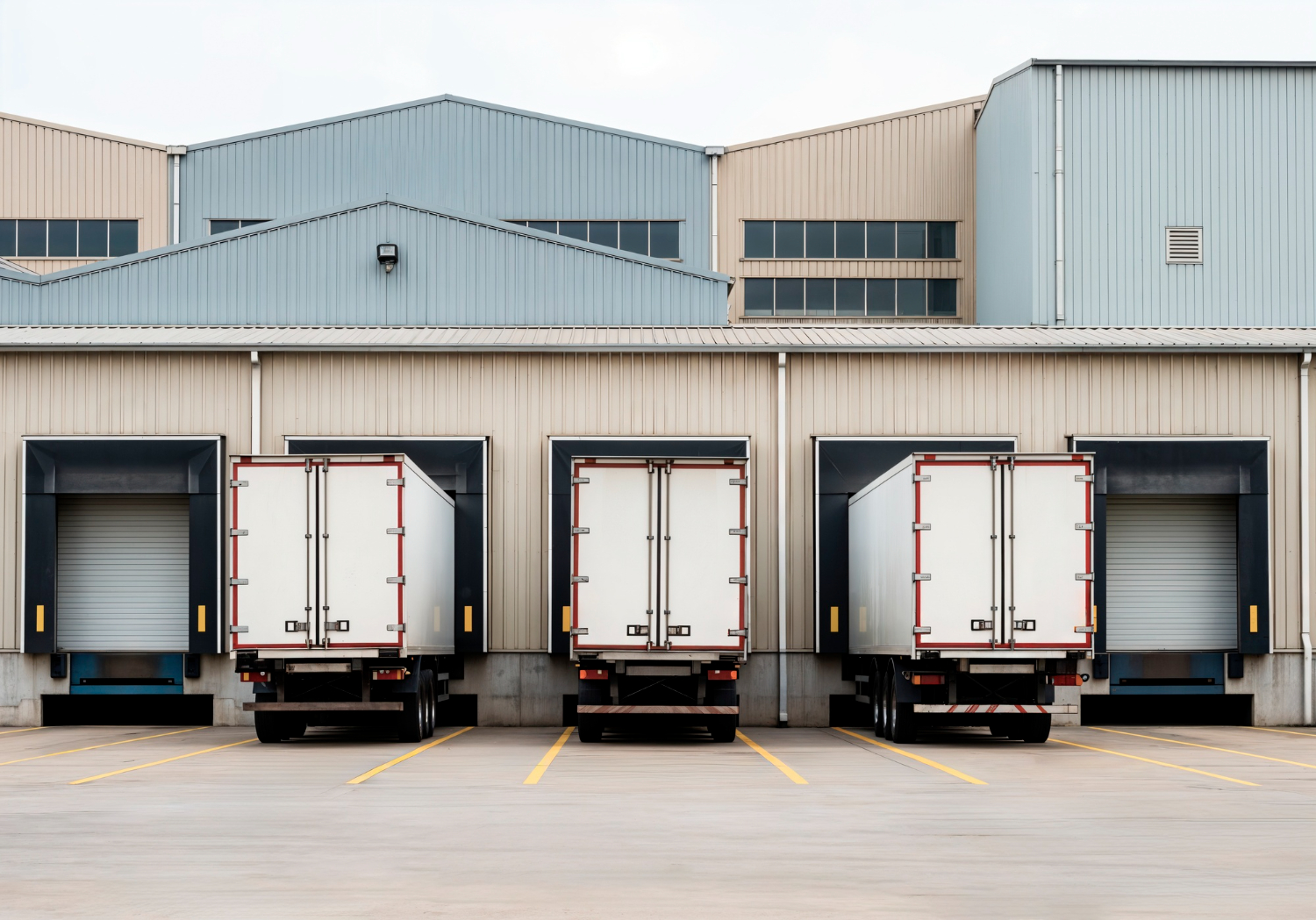
Cross-docking is a logistics strategy where incoming goods are transferred directly to outbound transportation with little or no storage, while container unloading involves receiving, sorting, and staging freight before distribution. The core difference is speed and storage: cross-docking prioritizes immediate flow-through movement, whereas traditional unloading emphasizes inventory control and warehousing.
Are shipping delays, rising storage costs, or inefficient cargo handling slowing your freight logistics operations? Let’s look into your question of “What is cross-docking?”, how it compares to container unloading, and how each method impacts supply chain optimization.
What Is Cross-Docking?
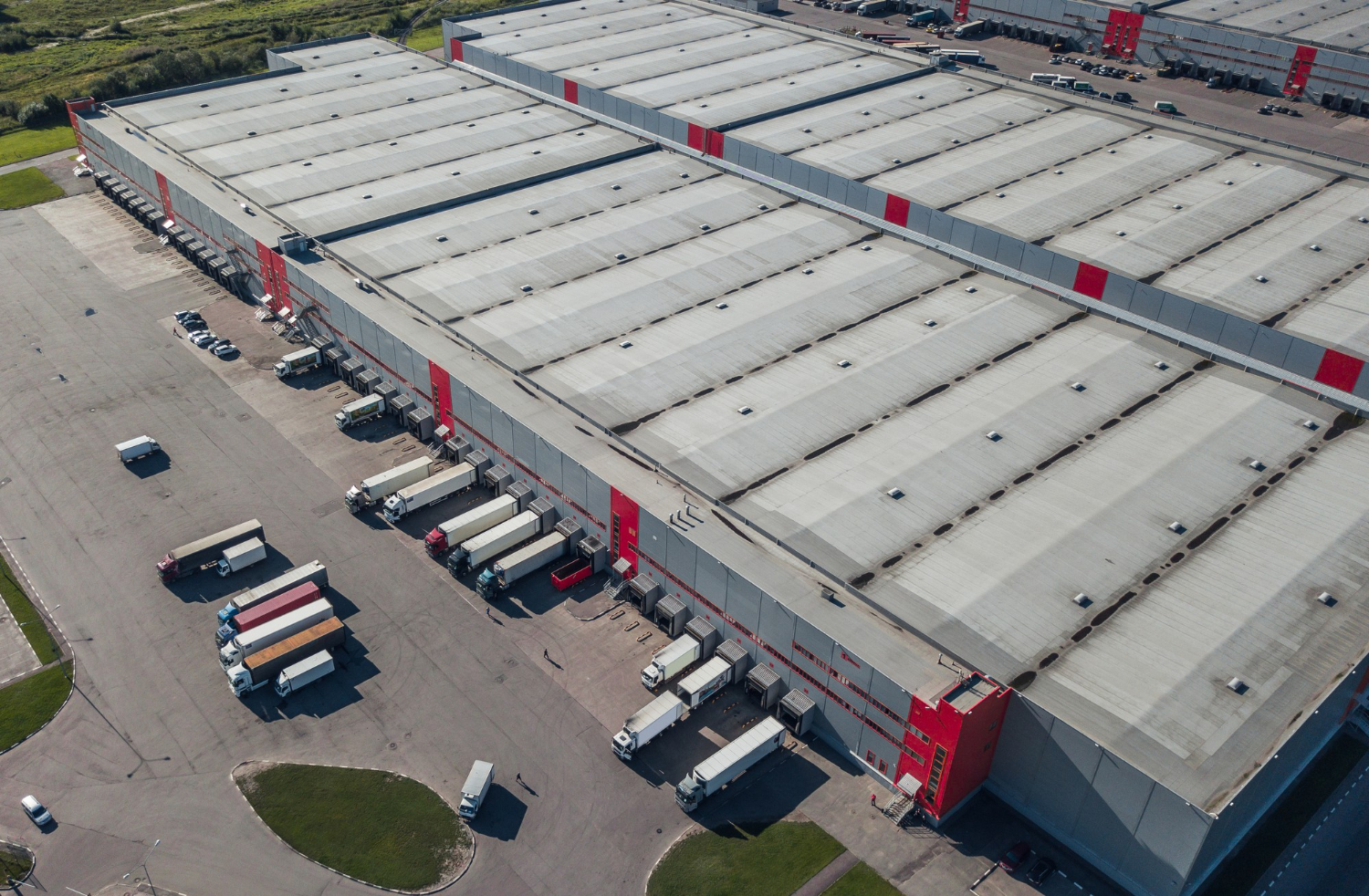
Cross-docking is a method that moves freight through a facility with almost no storage time. There are three main elements that define cross-docking operations:
- Direct freight transfer
- Minimal storage time
- Coordinated scheduling
Direct Freight Transfer
Direct transfer means goods move from inbound trucks to outbound trucks without long warehouse stays. Workers focus on cargo handling that supports flow instead of storage.
Pallets or packages get sorted by destination right at the dock. That approach reduces repeated container handling and lowers the chance of damage. Less movement inside the facility supports smoother logistics strategies and tighter timelines.
Minimal Storage Time
Cross-docking limits how long freight stays inside a building. Items often leave the same day they arrive. Short dwell times reduce storage costs and free up floor space.
Fast turnover helps companies support supply chain optimization while keeping inventory lean. Facilities that rely on this model prioritize staging lanes over deep warehouse racks.
Coordinated Scheduling
Timing drives the success of cross-docking. Carriers, dock crews, and dispatch teams follow strict schedules.
Software tools track shipments and guide routing decisions. Strong coordination keeps freight logistics predictable and reduces congestion at busy docks. When timing lines up, cargo moves quickly and efficiently across the network.
Understanding Traditional Container Unloading
Traditional container unloading focuses on receiving freight, checking it, and placing it into storage before final delivery. Many warehouses still depend on this model for stable freight logistics and predictable stock levels. Container unloading vs transloading often becomes part of larger planning decisions tied to facility capacity and labor.
- Receiving and inspection
- Sorting and staging
- Warehouse storage
Receiving and Inspection
Incoming containers arrive at a dock, and crews begin unloading by hand or with equipment. Workers inspect shipments for damage and confirm paperwork.
Accurate cargo handling at this point prevents disputes and tracking errors later. Teams scan items into inventory systems to record arrival times and quantities. Careful container handling supports accountability and helps managers maintain control over incoming freight.
Sorting and Staging
After unloading, goods move to sorting zones inside the warehouse-staff group items by destination, product type, or customer order.
Organized staging areas reduce confusion and keep freight moving in an orderly way. Sorting takes time and labor, yet it supports detailed logistics strategies that rely on accurate inventory placement.
Warehouse Storage
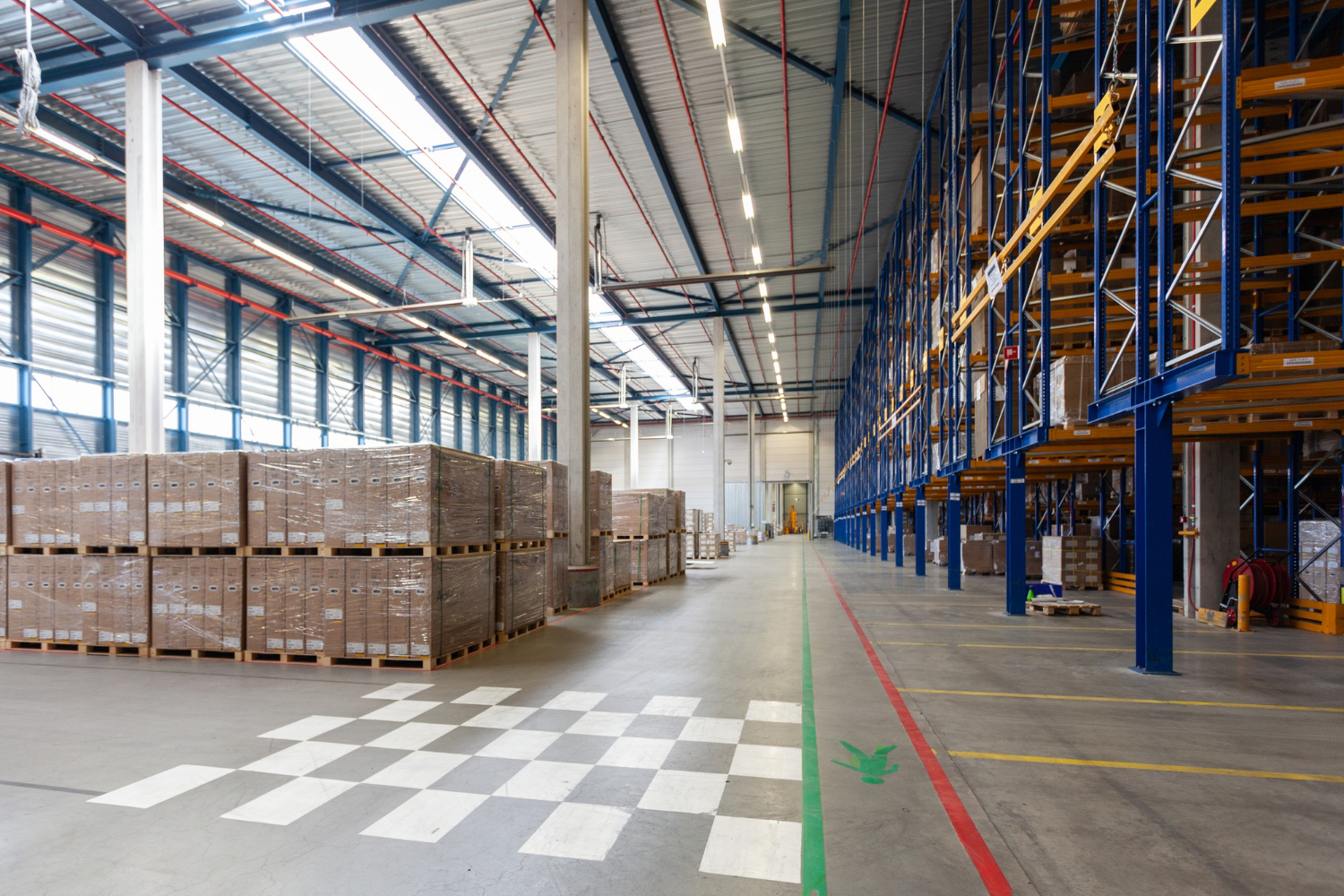
Freight that isn’t shipped right away moves into racks or floor storage. Items may stay for days or weeks, depending on demand. Storage gives companies flexibility when shipping schedules change.
Holding inventory on site supports long-term planning within freight logistics networks. Warehouses built around this model focus on capacity and accessibility rather than rapid turnover.
Cross-Docking Vs. Container Unloading: Operational Differences
Cross-docking and traditional unloading follow very different operating models. Each approach shapes how freight moves, how labor gets used, and how inventory gets controlled. The choice affects speed, cost, and long-term supply chain optimization.
Five main differences separate these methods:
- Speed of movement
- Storage requirements
- Labor intensity
- Cost structure
- Risk exposure
Speed of Movement
Cross-docking pushes freight through a facility within hours. Goods arrive and leave on tight schedules.
Traditional unloading slows that pace since items move into staging and storage. Slower turnover can extend delivery timelines. Companies focused on rapid freight logistics often favor cross-docking for that reason.
Storage Requirements
Cross-docking limits the need for warehouse space. Products rarely sit idle. Container unloading depends on racks, floor staging, and overflow zones.
Storage demands raise facility costs and increase container handling activity. Space planning becomes a major factor when companies compare container unloading vs transloading models.
Labor Intensity
Cross-docking requires skilled coordination and quick cargo handling. Teams focus on sorting and routing instead of long-term storage.
Traditional unloading spreads labor across inspection, storage, and inventory tracking. More touchpoints raise the chance of delays and handling errors.
Cost Structure
Cross-docking reduces storage expenses and lowers repeated handling. Fewer internal moves cut operating costs.
Container unloading adds warehouse overhead and longer equipment use. Businesses weigh those expenses when shaping logistics strategies.
Risk Exposure
Every time freight gets moved, risk increases. Cross-docking limits handling steps and shortens exposure time.
Traditional unloading extends the period goods stay in a facility. Longer dwell times raise the chance of damage or misplacement. Companies aiming for tighter supply chain optimization often focus on reducing those risks.
Frequently Asked Questions
How Does Cross-Docking Affect Inventory Management Systems?
Cross-docking depends on accurate, real-time inventory data. Facilities rely on scanning systems and synchronized software to track freight as it moves across docks.
Inventory systems must update instantly or shipments get misrouted. Strong digital coordination improves cargo handling visibility and supports tighter freight logistics planning across multiple carriers.
What Industries Benefit Most From Hybrid Logistics Models?
Some industries combine cross-docking with short-term storage to balance speed and flexibility. Consumer electronics, automotive supply, and medical distribution often use hybrid logistics strategies.
Fast-moving products pass through immediately, while slower freight enters temporary storage. That mix supports supply chain optimization without sacrificing inventory control.
How Do Labor Requirements Differ Between These Methods?
Cross-docking requires smaller teams trained for rapid sorting and precise timing. Workers focus on coordination and dock flow instead of extended storage tasks.
Traditional container handling spreads labor across unloading, shelving, and inventory audits. Staffing plans shift depending on how much time freight stays inside the building.
Better Logistics in 2026
What is cross-docking? Now you know! Smart planning aligns container handling with real demand, keeping cargo moving efficiently.
At Canada3PL, we’re a Canadian logistics partner built around reliable execution. Our team supports importers, distributors, and manufacturers with port services, warehousing, and transportation across the country. We coordinate container pickup, drayage, and terminal operations while managing storage and freight delivery from the dock to the destination.
Get in touch to find out how we can help with all your logistics needs!