Introduction
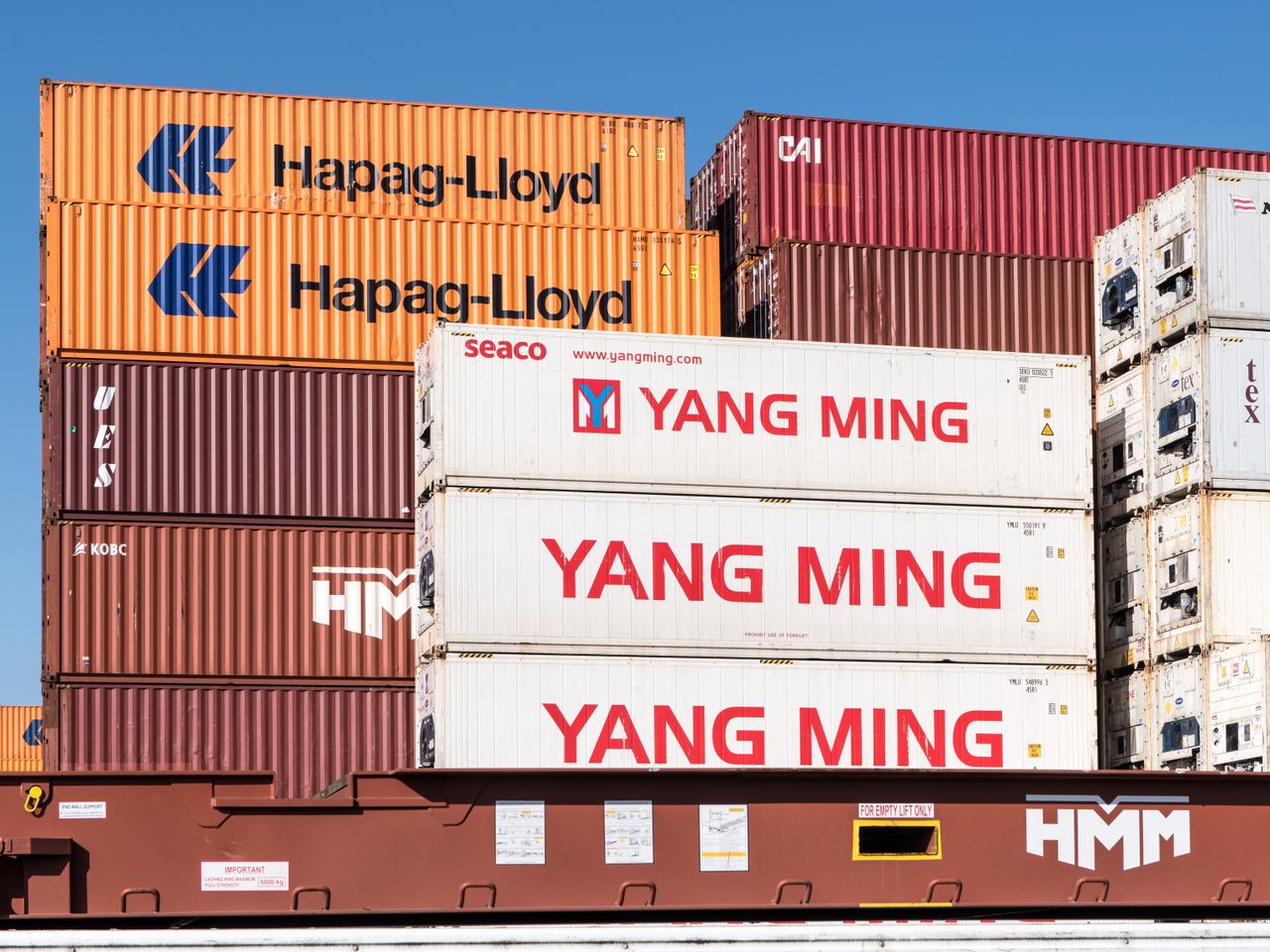
Demurrage and storage fees remain one of the most avoidable yet costly challenges in Canadian port logistics. Congestion, appointment delays, chassis shortages, and disconnected downstream planning often result in containers sitting idle—driving up costs and disrupting supply chains.
For importers, distributors, and manufacturers, reducing port dwell time is no longer optional. It is a critical operational discipline that directly impacts landed cost, inventory flow, and customer service levels
Why Demurrage Is Increasing at Canadian Ports
Key Contributing Factors
Canadian ports continue to face growing pressure due to increased import volumes, limited terminal capacity, and labor constraints. When combined with uncoordinated drayage and warehouse readiness gaps, containers remain at terminals longer than planned.
Common causes include:
- Mised or delayed terminal appointments
- Chassis availability constraints
- Warehouses unare prepared to receive inbound freight
- Lack of real-time visibility between port and inland teams
Strategies to Reduce Port Dwell Time
1. Proactive Appointment and Drayage Coordination
Securing terminal appointments early and aligning them with drayage capacity is essential. Proactive scheduling reduces last-minute congestion and ensures containers move immediately upon availability.
Strong coordination between port operations and trucking partners allows for faster gate turns and predictable container flow.
2. Align Warehouse Readiness Before Arrival
One of the most common causes of dwell delays is warehouse unavailability. Ensuring dock space, labor, and equipment are ready before containers arrive prevents unnecessary terminal storage.
Cross-dock or transload planning should be finalized prior to vessel arrival, not after discharge.
3. Use Integrated First-Mile Logistics Partners
Working with logistics providers that manage both port drayage and warehouse execution reduces handoffs and miscommunication. Integrated services create accountability and eliminate coordination gaps between multiple vendors.
This approach results in faster container evacuation and lower overall demurrage exposure.
4. Monitor and Act on Real-Time Port Status
Daily port status updates allow teams to react quickly to terminal congestion, appointment changes, or vessel delays. Visibility enables smarter decisions and avoids reactive firefighting.
Timely data ensures containers move within free-time windows rather than accumulating unnecessary fees.
How Canada3PL Helps Reduce Demurrage
Canada3PL supports importers and distributors by aligning port operations, drayage execution, and warehouse readiness into a single, coordinated workflow.
Our focus on:
- Appointment management
- First-mile execution
- Flexible warehousing capacity
- Clear operational communication
Clear operational communication
Demurrage is not simply a port issue—it is a coordination issue. Businesses that treat first-mile logistics as a strategic function, rather than a transactional task, consistently outperform peers on cost and reliability.
Reducing dwell time starts with disciplined execution, clear communication, and the right logistics partnerships.