Demurrage and detention are two separate shipping container fees that apply at different stages of cargo handling, and confusing them can quietly inflate logistics costs. Demurrage is charged when containers sit too long at the terminal, while detention applies when equipment is kept outside the port beyond the allowed time. Understanding demurrage vs detention helps Canadian shippers reduce avoidable penalties, improve scheduling, and protect margins.
Are unexpected container charges disrupting your shipping budgets? These fees often stem from misunderstood timelines and responsibilities. Today, we’re taking a closer look at how demurrage and detention in Canada affect cargo holding costs, freight storage fees, and long-term ocean freight management strategy.
What Demurrage Means in Canadian Shipping
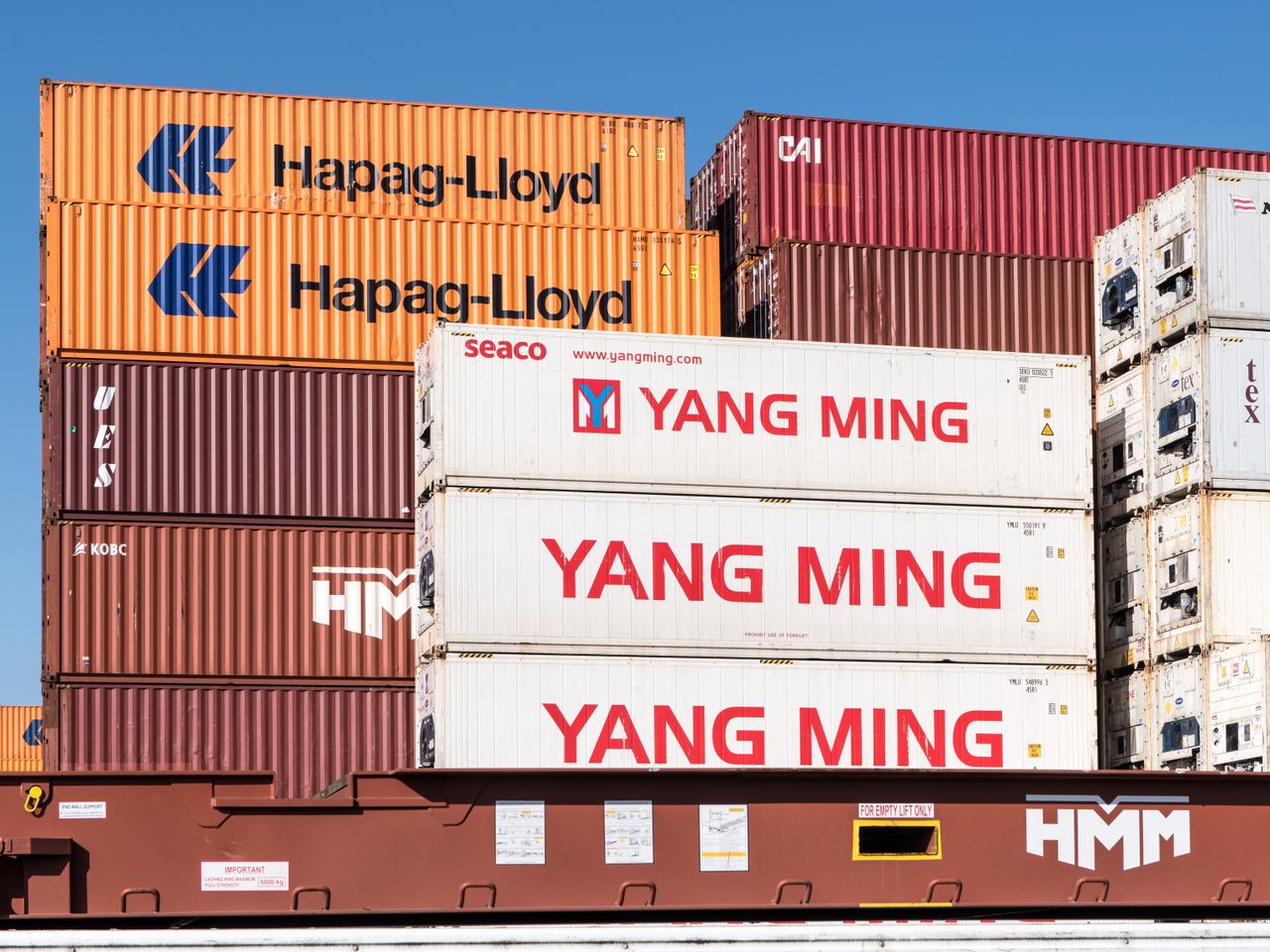
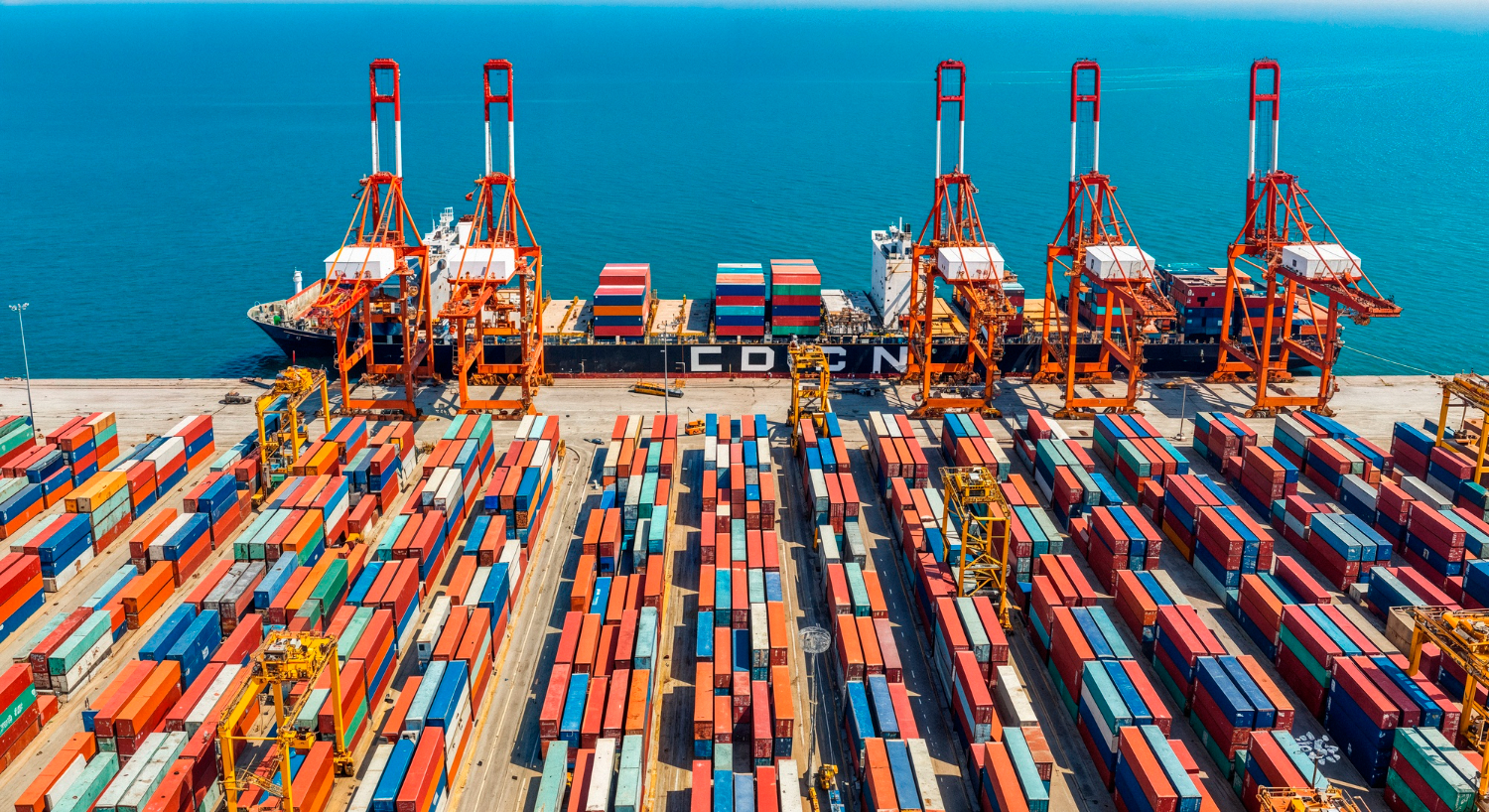
Demurrage refers to fees charged when containers stay at a marine terminal longer than the allowed free time. Many Canadian importers and exporters run into these costs without realizing how quickly they add up.
Several main factors define demurrage in Canadian shipping:
- Terminal storage timelines
- Triggers for extra charges
- Financial impact on shippers
Terminal Storage Timelines
Every terminal sets a limited window known as free time. Containers can remain on the dock during that period without penalties.
Once the clock runs out, freight storage fees begin on a daily basis. Canadian ports often adjust these timelines based on congestion or seasonal volume. Delays tied to customs clearance or paperwork can eat into that window faster than expected.
Triggers for Extra Charges
Demurrage starts when the cargo isn’t picked up on time. Documentation errors, inspection holds, or trucking shortages can stall container release.
Congested terminals slow yard movement and extend wait times. Each day of delay increases shipping container fees and raises the final invoice.
Financial Impact on Shippers
Demurrage and detention in Canada can strain shipping budgets. Charges rise quickly, especially during peak periods.
Repeated delays weaken planning accuracy and raise long-term cargo holding costs. Businesses that track container milestones closely tend to reduce avoidable expenses and maintain steadier ocean freight management.
What Detention Means in Container Transport
Detention refers to fees charged when a shipper holds a container outside the terminal longer than the allowed free time. The focus shifts from port storage to equipment control once the container leaves the dock. Clear separation between detention and demurrage vs detention reduces billing confusion and improves planning.
Several main elements shape how detention works in container transport:
- Equipment possession timelines
- Causes of extended container use
- Impact on carrier capacity
Equipment Possession Timelines
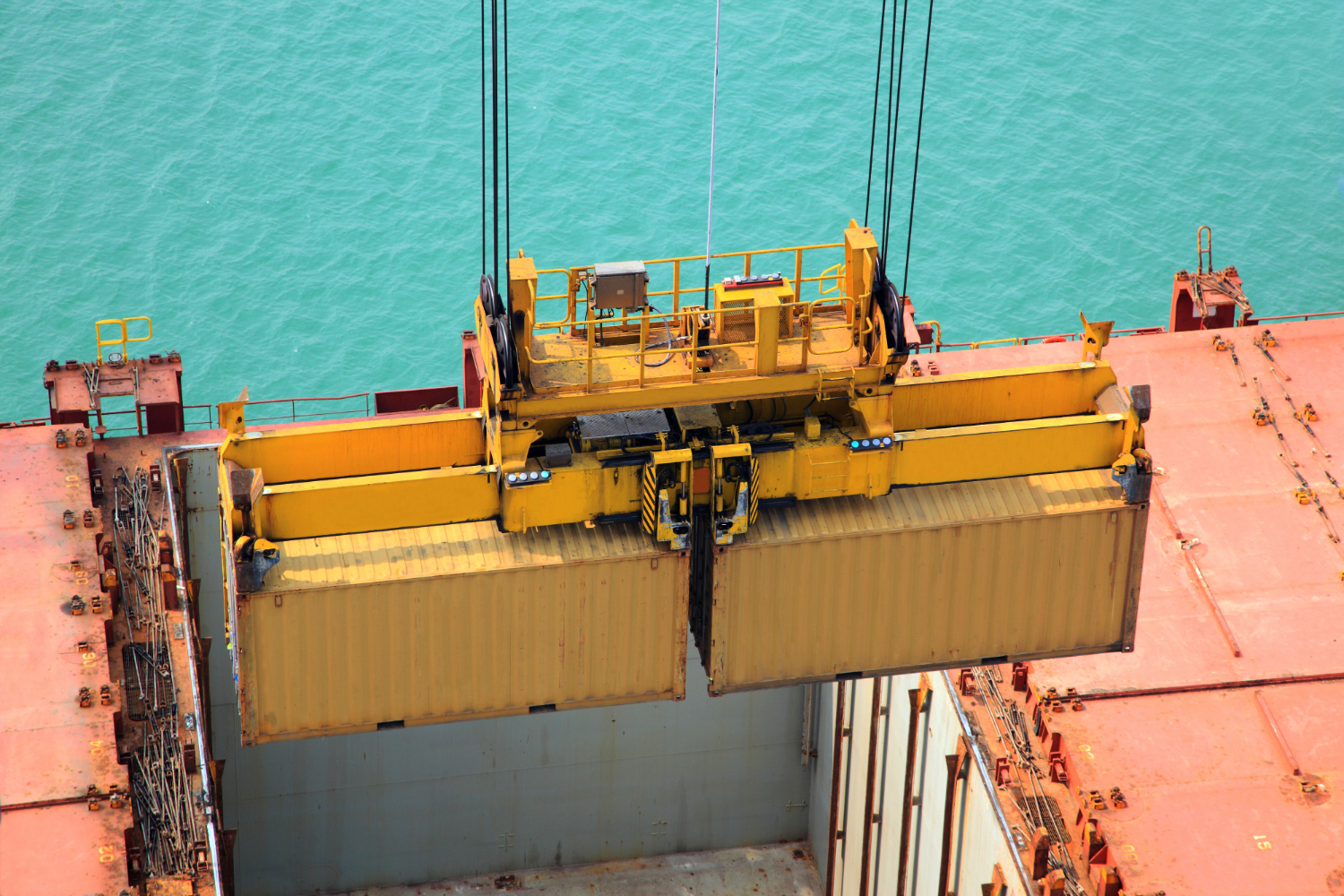
Carriers assign a limited number of free days for container use after pickup. That clock starts once the container exits the terminal gate.
Shippers must unload cargo and return the empty unit before the deadline. Missed return dates trigger daily shipping container fees. Tight turnaround expectations protect carrier equipment pools and support smoother ocean freight management.
Causes of Extended Container Use
Delays often arise during inland delivery. Warehouse congestion can slow unloading schedules.
Labor shortages stretch appointment windows. Trucking bottlenecks add pressure to return times. Each delay increases detention risk and raises operating costs tied to demurrage vs detention.
Impact on Carrier Capacity
Detention affects more than a single shipment. Containers stuck in yards reduce available equipment for other customers.
Carriers respond by tightening policies or raising fees. Higher shipping container fees ripple through supply chains and strain long-term scheduling plans. Businesses that return equipment quickly maintain stronger carrier relationships and steadier freight movement.
How These Fees Affect Canadian Supply Chains
Shipping delays rarely stop at a single container. Fees tied to demurrage vs detention spread across budgets, schedules, and inventory planning. Many Canadian companies feel the impact long after a shipment clears the port.
Three areas show how strongly these charges influence supply chains:
- Budget uncertainty
- Inventory pressure
- Carrier relationships
Budget Uncertainty
Unexpected shipping container fees disrupt financial planning. Forecasts lose accuracy when cargo holding costs spike without warning.
Repeated demurrage and detention in Canada create uneven monthly expenses. Finance teams struggle to predict freight storage fees during peak seasons.
Volatile Canadian port charges force companies to pad shipping budgets, which reduces available capital for other operations.
Inventory Pressure
Delayed container release affects warehouse flow. Products arrive late and disrupt stocking schedules. Retailers face empty shelves or crowded backrooms.
Manufacturers wait longer for parts tied to ocean freight management. Inventory swings raise storage costs and slow order fulfillment. A single delay can trigger a chain reaction across distribution networks.
Carrier Relationships
Frequent penalties strain partnerships with carriers. Late returns reduce equipment availability for other customers.
Carriers respond with tighter rules and stricter billing reviews. Shippers who manage timelines well earn better cooperation and smoother scheduling. Stable relationships support predictable transit times and steadier long-term planning.
Frequently Asked Questions
How Do Canadian Ports Calculate Grace Periods For Containers?
Grace periods vary by port authority and by terminal operator. Each facility sets its own free time rules based on capacity, labor levels, and seasonal cargo volume. High traffic periods often shorten available free days.
Weather events and rail slowdowns can tighten timelines further. Shippers who review terminal policies ahead of arrival gain better control over demurrage and detention in Canada. Clear planning reduces exposure to Canadian port charges that stack up when containers overstay their window.
Can Demurrage Or Detention Charges Be Negotiated With Carriers?
Some carriers allow negotiation during contract setup. Large volume shippers often secure longer free time or capped shipping container fees. Freight forwarders may negotiate on behalf of smaller importers.
Written agreements carry more weight than informal promises. Detailed service contracts create leverage when billing disputes arise. Strong documentation helps companies push back against inflated freight storage fees.
Demurrage Vs Detention
Understanding demurrage vs detention gives shippers a clear edge when managing timelines, equipment, and port storage.
At Canada 3PL, our team supports importers, distributors, and manufacturers with coordinated port services, transportation, and warehousing across the country. We manage container pickup, drayage, terminal coordination, Canada-wide freight movement, and value-added storage solutions. By linking ports, warehouses, and final destinations, we keep supply chains moving with the consistency our partners can depend on.
Get in touch today to find out how we can help with your logistics needs!